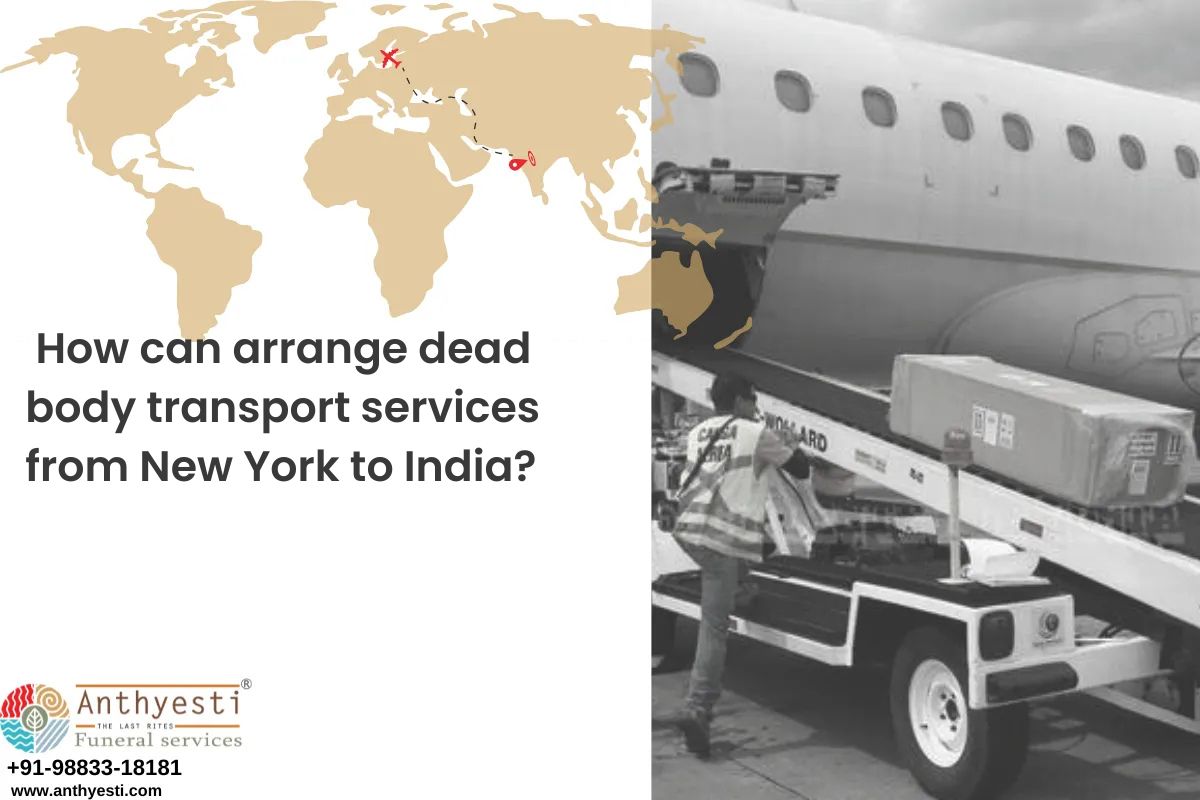

Losing a loved one in a foreign country like Brazil can be incredibly stressful. Transporting a deceased family member from Brazil to India involves strict legal, medical, and diplomatic procedures. From Portuguese translations to securing the mandatory No Objection Certificate (NOC) from the Embassy of India in Brasilia or São Paulo, our comprehensive guide walks you through every nuanced step.
Key Overview
Navigating the Bureaucracy Between Brazil and India
The logistical operation of repatriating human remains from South America to South Asia is complex. Unlike local transport, international repatriation requires navigating the legal systems of both the exit country (Brazil) and the entry country (India). The distance is immense, requiring specialized cargo airlines and meticulous preservation. The process hinges on seamless coordination between local Brazilian authorities, sworn translators, the Indian diplomatic missions, and international health protocols.
Competitor websites often gloss over the profound linguistic and bureaucratic hurdles. Here, we delve deeply into the precise requirements, such as the apostille process, passport cancellation nuances, and the absolute necessity of WHO-compliant embalming.
Critical Language Barrier: In Brazil, all official documents (death certificates, police reports, medical notes) are issued exclusively in Portuguese. The Indian Embassy strictly requires these to be translated into English by a certified, sworn translator (tradutor juramentado).
Diplomatic Clearances
Indian Embassy and Consulate Coordination
The single most important document for repatriation is the No Objection Certificate (NOC) issued by the Indian diplomatic mission. Without the NOC, Indian Airport Health Organizations (APHO) and customs will not permit the remains to enter the country.
Depending on where the death occurred in Brazil, you will need to coordinate with either:
- The Embassy of India in Brasilia: Covering the federal district and surrounding regions.
- The Consulate General of India in São Paulo: Often handling cases in the commercial and heavily populated southern regions of Brazil.
Passport Cancellation: The original Indian passport of the deceased must be physically surrendered to the Embassy or Consulate. Officials will cancel the passport and return it alongside the NOC. This step is non-negotiable to prevent identity theft and to officially register the death of the Indian citizen abroad.
Required Documents
The Complete Documentation Checklist
A single missing signature or stamp can delay the cargo flight by days. The following documents are strictly required, and many must bear the Hague Apostille (since Brazil is a member of the Apostille Convention) to be considered valid by Indian authorities.
Essential Repatriation Documents
- Original Death Certificate (Certidão de Óbito): Issued by the Brazilian Civil Registry, apostilled, and translated into English.
- Medical Certificate of Cause of Death: Clearly stating the medical reason for death, translated into English.
- Non-Communicable Disease (NCD) Certificate: Issued by a Brazilian health authority confirming the death was not caused by a highly infectious disease.
- WHO-Compliant Embalming Certificate: Issued by the embalming facility in Brazil, guaranteeing the preservation of the body for the long transit.
- Coffin Sealing Certificate: Certifying that the body is in a hermetically sealed, zinc-lined coffin.
- Cancelled Indian Passport: Processed by the Indian Embassy/Consulate.
- No Objection Certificate (NOC): Issued by the Indian Embassy/Consulate in Brazil.
- Air Waybill (AWB): Issued by the cargo airline confirming the flight details and consignee in India.
Medical & Logistics
Embalming and Airline Cargo Transport
WHO Embalming Standards: Because the flight from Brazil to India (typically via the Middle East or Europe) takes 24 to 36 hours, profound embalming is required. The body fluids are replaced with formaldehyde-based preservatives to halt decomposition. The embalming certificate must specifically state that World Health Organization guidelines were followed.
Coffin Requirements: Airlines will not accept standard wooden caskets. The remains must be placed in a zinc-lined, hermetically sealed inner casket, which is then placed inside a robust wooden outer shell, and finally wrapped in burlap or specialized cargo packing. This ensures no pressure changes or leakages occur during the flight.
Choosing the Right Airline: Not all commercial flights carry human remains. Specialized cargo operations are required. The most reliable carriers operating routes connecting South America (e.g., GRU – São Paulo Guarulhos International Airport) to major Indian airports (DEL, BOM, BLR, MAA, HYD) include:
- Emirates SkyCargo: Connecting via Dubai (DXB).
- Qatar Airways Cargo: Connecting via Doha (DOH).
- Ethiopian Airlines: Connecting via Addis Ababa (ADD).
Frequently Asked Questions (FAQ)
Who do I contact first when a death occurs in Brazil?
Immediately contact the local Brazilian police or medical authorities if the death was at home, and then contact the Embassy of India in Brasilia or the Consulate General of India in São Paulo. They will guide you on the initial steps for passport cancellation and NOC issuance.
What are the embalming requirements from Brazil to India?
The mortal remains must be embalmed according to World Health Organization (WHO) standards. The embalming certificate must state that the body is free from infectious diseases and is safe for international air transport.
How is the deceased’s Indian passport handled in Brazil?
The original Indian passport must be physically submitted to the Embassy of India in Brasilia or the Consulate in São Paulo for cancellation. Once cancelled, it will be returned to the family alongside the mandatory No Objection Certificate (NOC).
Are Apostilles required for dead body transport documents?
Yes, Brazil is a member of the Hague Apostille Convention. Key Brazilian documents, such as the death certificate, must be apostilled by authorized Brazilian cartórios (notary offices) to be legally recognized in India.
What airlines operate cargo for dead body transport from Brazil to India?
Primary airlines include Emirates SkyCargo, Qatar Airways Cargo, and Ethiopian Airlines. These carriers have the specialized cold-storage facilities and wide-body aircraft necessary to transport human remains across the Atlantic.
What happens if the death in Brazil was due to a communicable disease?
If the death was caused by a highly infectious disease, Brazilian and Indian health authorities may prohibit the transport of the body. In most cases, local cremation in Brazil is mandated, and only the ashes can be repatriated to India.
How long does the entire repatriation process from Brazil take?
The process generally takes between 5 to 10 business days. Delays can occur during weekends, holidays, or if a police investigation is required for unnatural deaths.
Do I need a Non-Communicable Disease (NCD) certificate?
Yes, a Non-Communicable Disease certificate issued by a recognized Brazilian medical authority is strictly required by Indian Airport Health Organizations (APHO) to grant clearance upon arrival in India.
Can Anthyesti manage the entire process from Brazil?
Yes, Anthyesti Funeral Services provides end-to-end international repatriation support. We coordinate with Brazilian funeral directors, translators, the Indian Embassy, and airlines to ensure a dignified transport.
Is translation of Brazilian documents mandatory?
Yes. All local Brazilian documents, including the death certificate and police reports, are usually issued in Portuguese. They must be translated into English by a certified, sworn translator (tradutor juramentado) before submission to the Indian Embassy.